


Is That DMV Notice Real or a Scam? How Long Island Drivers Can Tell the Difference
Is That DMV Notice Real or a Scam? How Long Island Drivers Can Tell the Difference
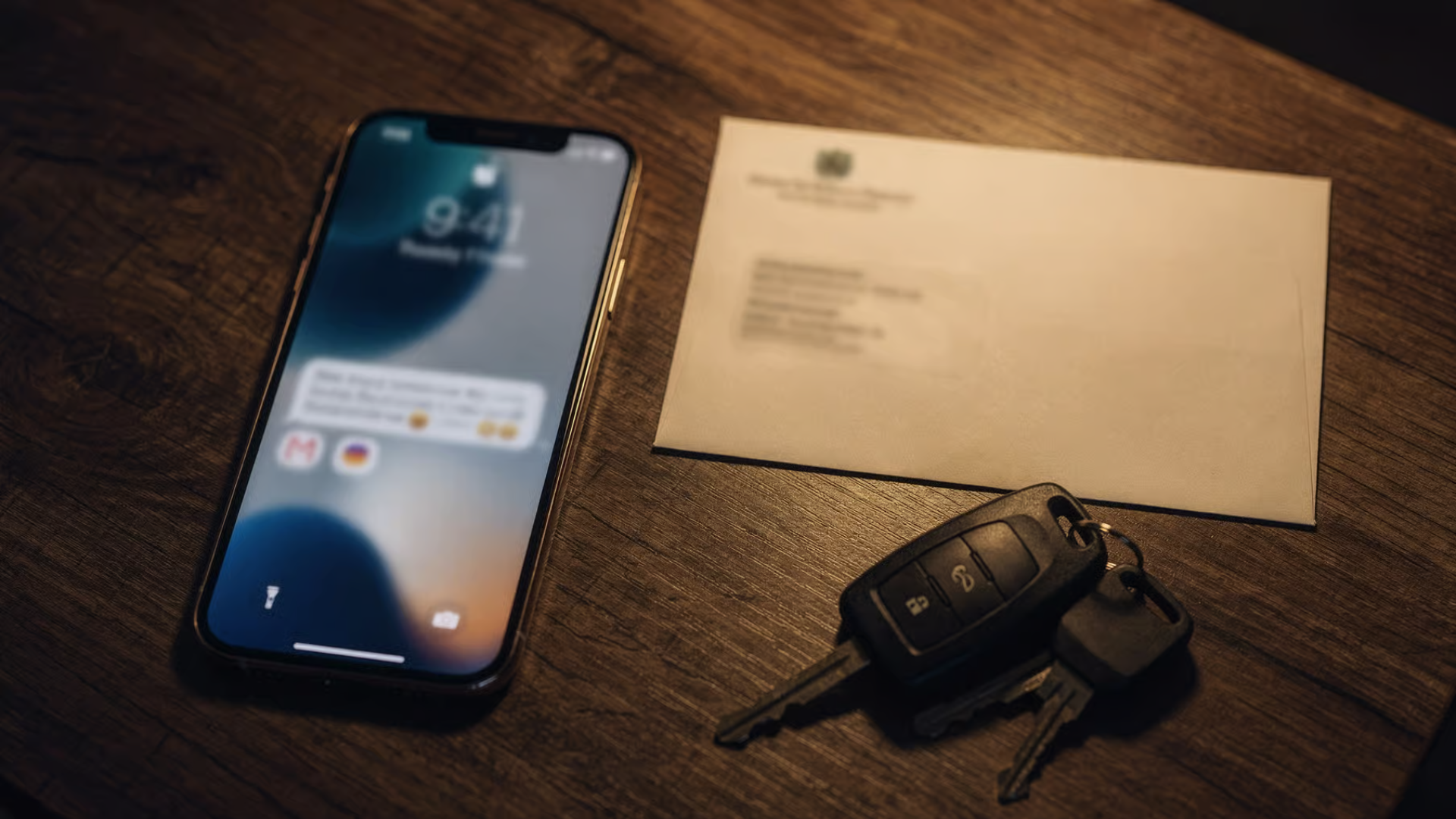
Your phone buzzes. It is a text saying your driver's license will be suspended today unless you pay a fee through the link provided. Your stomach drops for a second, and then you remember you have gotten three of these already this year. Scam. You delete it.
A week later, a plain envelope shows up in your mailbox from the DMV or a local court. You assume it is more of the same nonsense and you toss it on the counter with the junk mail.
That second one might have been real. And ignoring a real notice can cost you a lot more than any scam ever could.
This is a genuinely new problem on Long Island. There have been so many fake DMV and toll texts going around that people have started treating every official-looking message as fake, including the legitimate ones. So let me help you tell them apart.
How the DMV and the courts actually reach you
Real government agencies are old-fashioned about this on purpose. The DMV and the courts generally contact you by mail, at the address on your record. An official notice about points, a suspension, a fine, or a court date almost always comes as a physical letter, not a surprise text with a countdown clock on it.
The real notices also do not work the way the scams do. A legitimate agency is not going to text you a link and demand immediate payment to avoid arrest or suspension in the next hour. That urgency is the whole trick.
The red flags of a scam
A message is almost certainly fake if it does any of these:
I
t pressures you to act immediately, today, right now, or something terrible happens. It sends you a link to pay rather than directing you to the official website. It asks for payment in gift cards, wire transfers, or cryptocurrency. It threatens you with arrest for an unpaid fine. It asks for your Social Security number, your bank login, or your full card number by text or email.
Real agencies do not operate like this. Scammers count on fear moving faster than your judgment.
But do not ignore the real ones either
Here is the flip side, and it is the part that actually worries me more. When people get numb to the scams, they start ignoring everything, and that is how a legitimate problem turns into a serious one.
If you miss a real court date on a traffic ticket, the case can go against you by default. If you ignore a real suspension notice and keep driving, you can end up facing a far more serious charge for driving on a suspended license, which is a genuine criminal matter, not a simple ticket. Small problems left unopened on the kitchen counter have a way of becoming big ones.
One more thing, while we are talking about misinformation
Traffic rules are a magnet for bad information, and not all of it is a scam. Some of it is just wrong. A lot of what circulated online about New York's 2026 point changes was inaccurate. For example, you may have seen claims that the suspension threshold dropped to ten points. It did not. It is still eleven. If you are ever unsure what a rule actually says, go to the source at dmv.ny.gov rather than trusting a screenshot or a forwarded post.
What to do when you are not sure
Do not click the link in a suspicious text. Instead, go directly to the official DMV website by typing dmv.ny.gov into your browser yourself, or call the court or agency using a number you look up independently, not one provided in the message. If there is a real issue on your record, you will find it there. If there is not, you just saved yourself from a scam.
And if a notice has you genuinely confused about whether it is real, whether it is serious, or what you are supposed to do about it, that is exactly the kind of call I am happy to take. Bring me the letter or read me the text. I will tell you straight whether it is something to worry about.
You do not have to figure this out alone. The number is (631) 482-7808, available day or night. Finally, a Fella You Can Count On.
Attorney Advertising. This content is for informational purposes only and does not constitute legal advice. Call for a free consultation to discuss your specific situation.


