

Darker by Five O'Clock: What Fall Really Changes About Driving on Long Island
Darker by Five O'Clock: What Fall Really Changes About Driving on Long Island
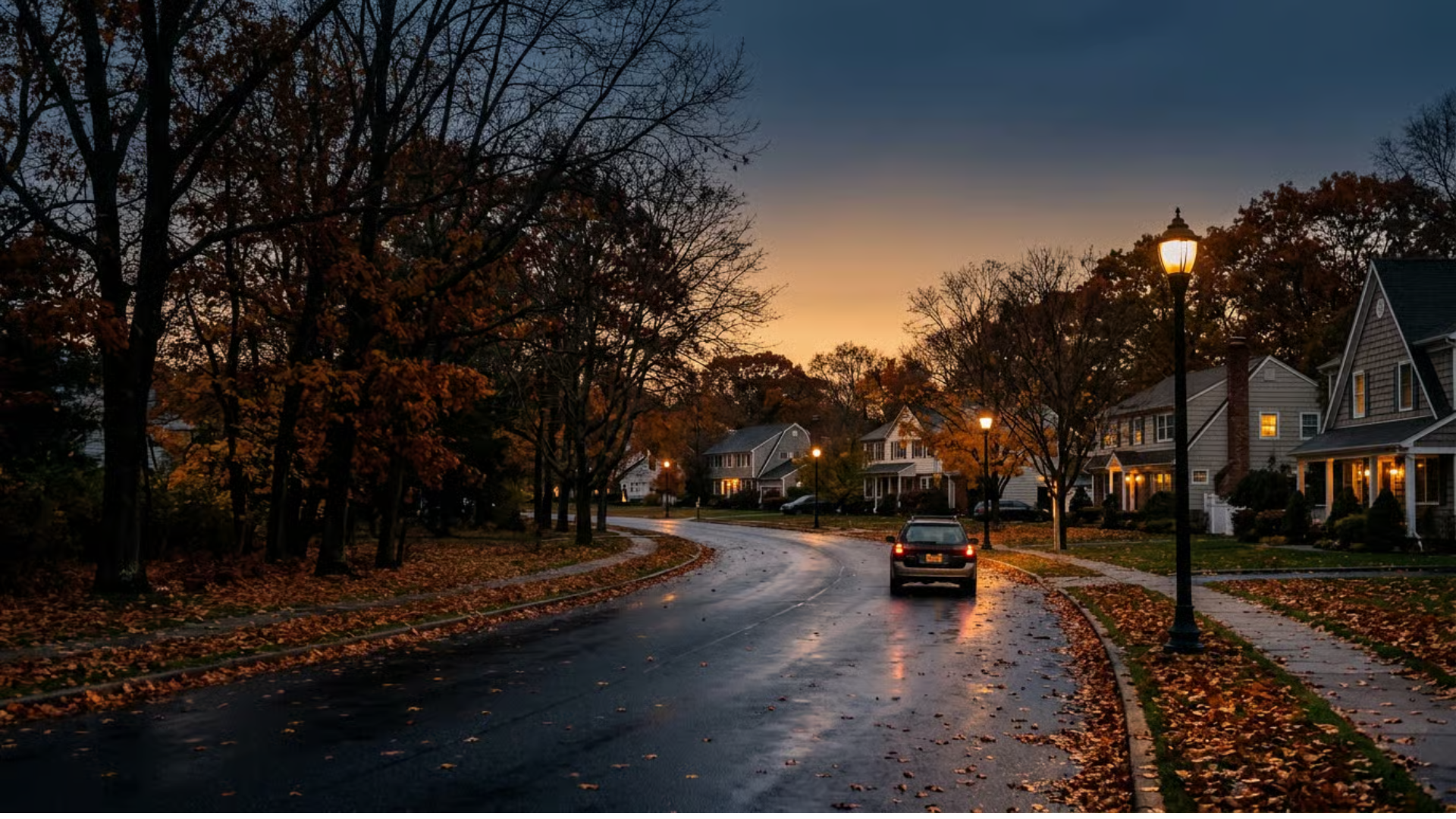
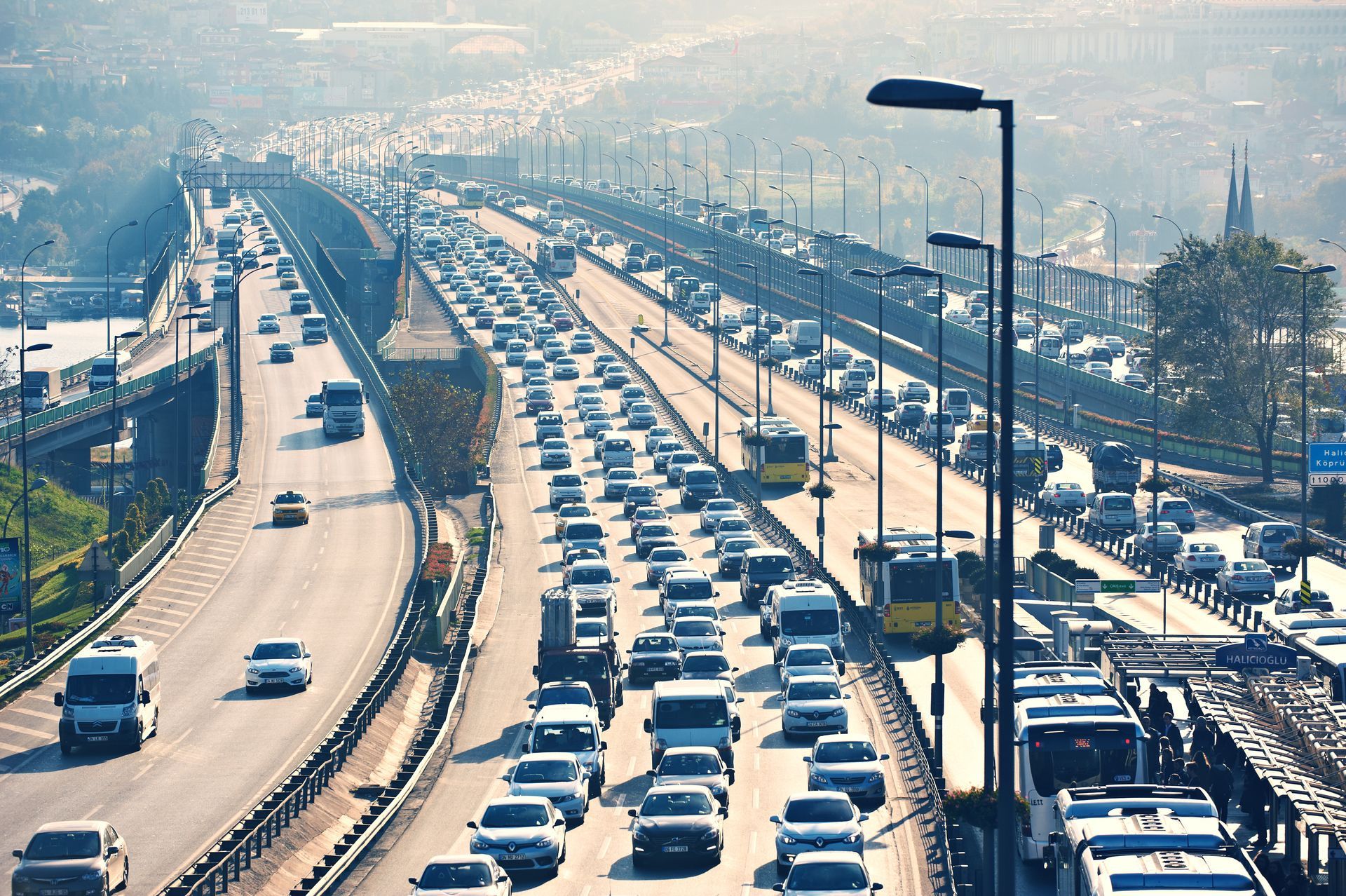
You leave the office the same time you always do, but this week something is different. The parking lot is already dark. By the time you are on the Southern State it feels like the middle of the night, even though it is barely past dinnertime. Fall on Long Island is beautiful, but for drivers it quietly becomes the most dangerous stretch of the year, and most people never adjust for it.
The leaves get the attention. The real change is the light. So let me walk through what actually shifts in the fall, and how to keep a nice season from turning into a bad night.
The real change is not the weather. It is the dark.
When the clocks fall back in early November, your evening commute moves into darkness almost overnight. The drive you have done a thousand times in daylight is suddenly a night drive, and your eyes, your reaction time, and everyone else on the road are all working with less information.
This matters more than people think. The large majority of pedestrian deaths happen in the dark. New York averages around three hundred pedestrian deaths a year, and a big share of them cluster in exactly these darker months. October is Pedestrian Safety
Month for a reason. The danger is not that people suddenly forget how to drive in the fall. It is that the margin for error shrinks the moment the sun goes down earlier.
The fix is not complicated. Slow down a little on the roads where people walk, especially near Main Streets, train stations, and school zones in places like Babylon Village, Patchogue, and Huntington. Clean your headlights and your windshield, inside and out, because grime you never notice in daylight turns into blinding glare at night. And give yourself more following distance than the summer version of you did.
Kids, costumes, and Halloween night
Halloween lands right in the middle of all this, and it is one of the most dangerous nights of the year for children on foot. Studies have found that the risk of a child being struck and killed by a car is dramatically higher on Halloween than on a normal night, and it is highest for the youngest kids. Picture it and you understand why: dark costumes, excitement, a rush from house to house, and children darting out between parked cars in the dark.
If you are driving through any neighborhood that evening, treat it like a school zone the whole way through. Slow down, put the phone away completely, and scan the spaces between parked cars, not just the road ahead. The few minutes you save by hurrying are not worth what you would carry with you if you did not see a kid in time.
Wet leaves and a low, blinding sun
Two smaller fall hazards catch people off guard. The first is wet leaves. A pile of leaves on the road, especially over a painted line or a crosswalk, gets as slick as ice when it rains. It can hide potholes too. Brake earlier and gentler when the leaves are down and the road is wet.
The second is the low sun. In the fall, sunrise and sunset line up almost perfectly with the morning and evening commute, and a low sun straight down an east-west road can blind you completely for a few seconds. Keep a pair of sunglasses in the car, flip your visor down, and if you truly cannot see, slow down or pull over. A driver who cannot see is a driver who is about to have a problem.
If the worst happens anyway
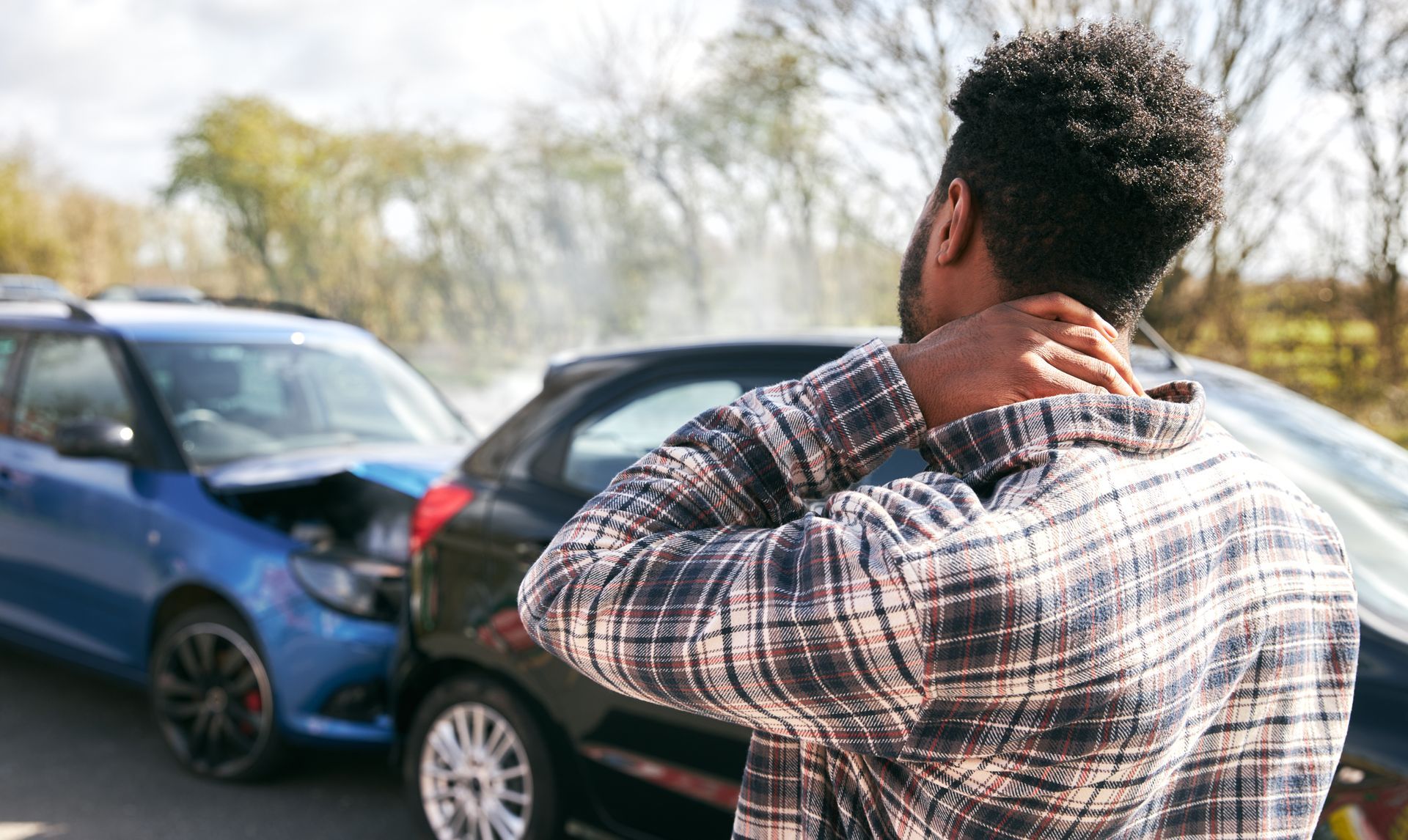
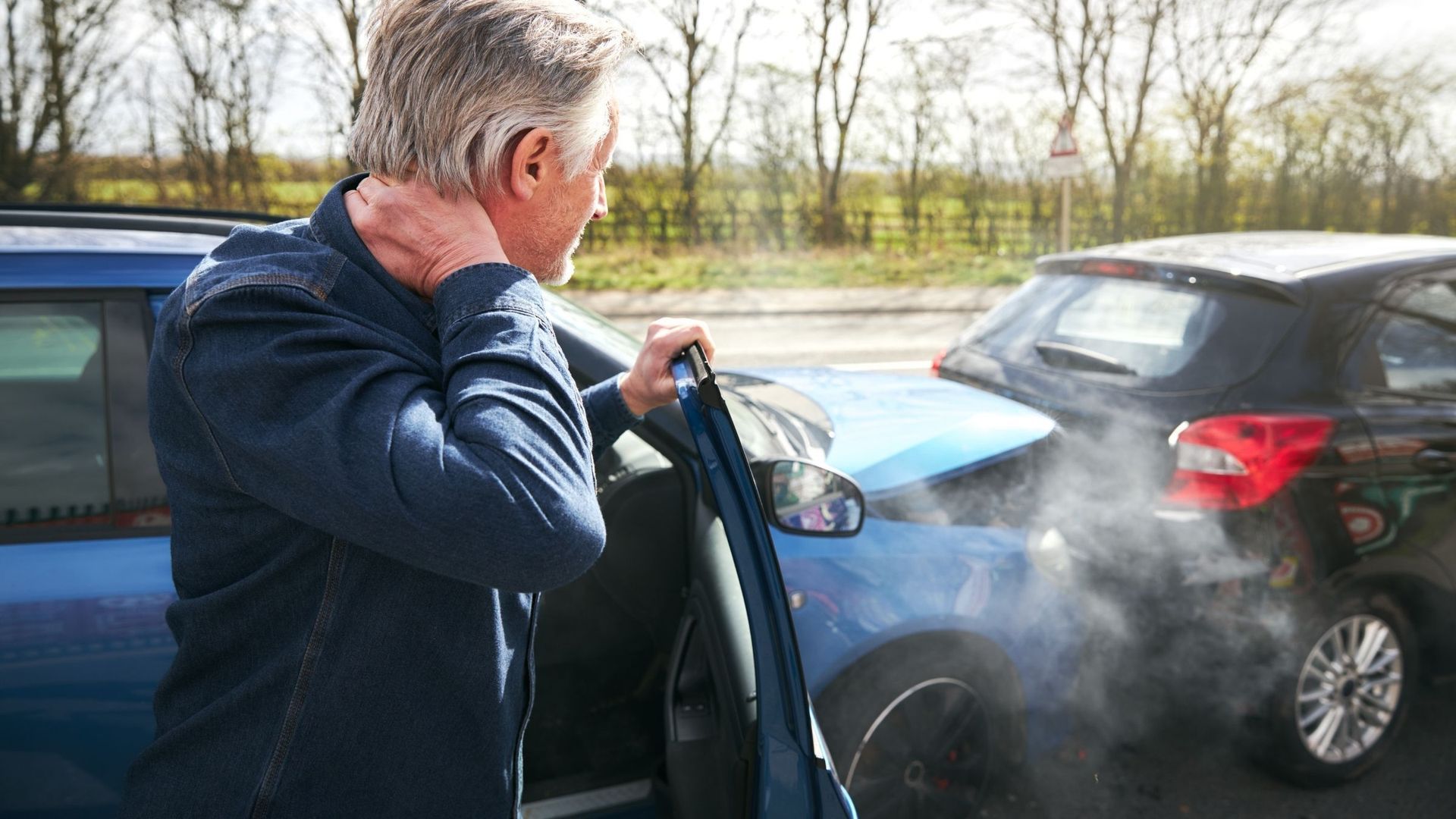
Sometimes you do everything right and someone else does not. If you are in a crash this fall, whether another driver ran you down in the dark or hit you while you were walking, the steps are the same. Get yourself and anyone with you to safety, call the police so there is a report, and take pictures of everything while it is fresh, including how dark it was and what the lighting looked like. That detail matters more than people realize.
Then get checked out by a doctor even if you feel okay, because the adrenaline of a night crash hides injuries that show up a day or two later. And before you talk to any insurance company, talk to me. The adjuster who calls you the next morning sounds friendly, but the first offer is almost always their lowest, and once you accept it, that is the end of the road.
Fall on Long Island should be football games and pumpkin picking, not a hospital waiting room. Drive like the light changed, because it did. And if something does go wrong, you do not have to figure it out alone.
The number is (631) 482-7808, available day or night. Finally, a Fella You Can Count On.
Attorney Advertising. This content is for informational purposes only and does not constitute legal advice. Call for a free consultation to discuss your specific situation.